Every year, Paul Davis Restoration of Southeast Minnesota responds to hundreds of preventable winter emergencies in Rochester, Dodge Center, Stewartville, Byron, and the surrounding area.
Southeast Minnesota’s brutal winters (average January low -10 °F in Rochester) create three major threats that cost homeowners thousands: frozen pipes, ice dams, and roof collapse. This guide gives you the exact steps we recommend to every client before the first blizzard hits.
1. How to Prevent Frozen Pipes in Rochester & SE MN Homes (2025 Checklist)
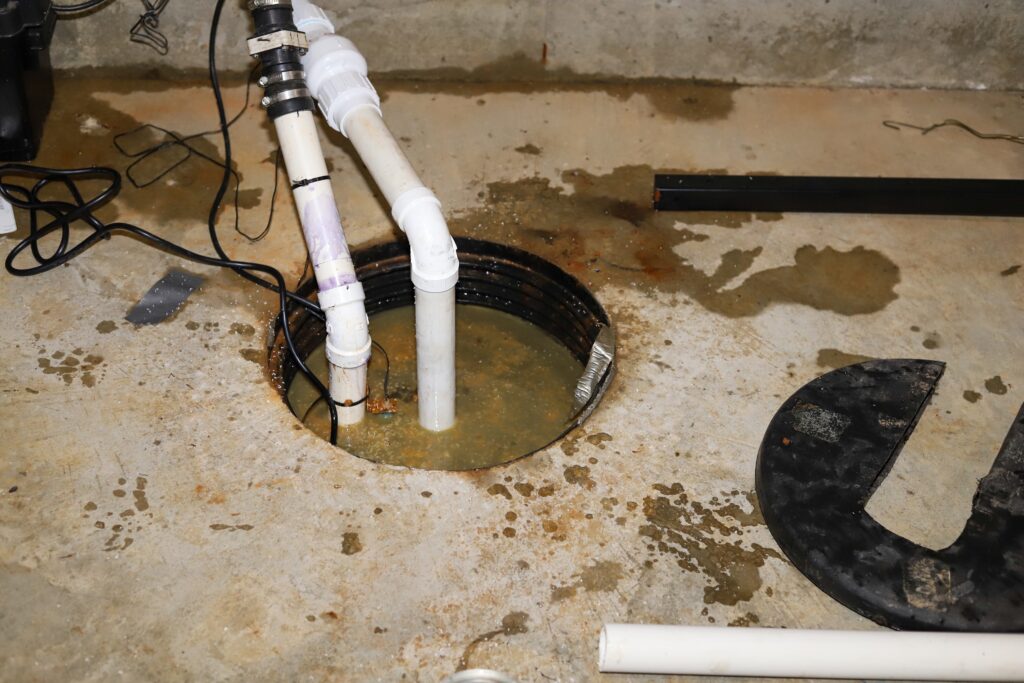
Frozen pipes are the #1 winter insurance claim in Olmsted and Dodge counties. When water freezes, it expands and bursts pipes — average repair cost $4,800–$12,000.
- Keep garage doors closed if water supply lines are inside
- Set thermostat no lower than 55 °F (even when away)
- Let cold water drip from faucets served by exposed pipes
- Open kitchen/bathroom cabinet doors to allow warm air circulation
- Insulate attic pipes with foam sleeves (available at Menards Rochester for under $2/ft)
- Install pipe heating cables on vulnerable lines (Class I Div 1 rated for MN cold)
2. Ice Dam Prevention & Safe Removal – Rochester MN Edition
Ice dams form when heat escapes the attic, melts roof snow, then refreezes at the colder eaves. The backed-up water seeps under shingles and into your home.
Prevention (do this before December 15):
- Remove the bottom 3–4 feet of snow with a roof rake after every 6″ snowfall
- Seal attic air leaks (we find 90 % of Rochester homes have bypasses around recessed lights)
- Add minimum R-60 attic insulation (Minnesota 2023 energy code)
- Install self-regulating heat cables along eaves and valleys
Never chip ice with an axe or use open-flame torches — both void most homeowners insurance.
3. Roof Collapse Risk & Snow Load Limits in Southeast Minnesota
Minnesota building code requires roofs to handle 42 psf ground snow load in our area. That equals roughly 4–5 feet of light snow or 2 feet of wet, heavy snow.
| Snow Type | Depth Before Risk |
|---|---|
| Dry, powdery | 5+ feet |
| Wet, heavy lake-effect | 18–24 inches |
| Ice layer + snow | 12 inches |
Call us immediately if you hear creaking, see doors sticking, or notice new ceiling cracks.
What To Do the Moment You Discover Winter Water Damage (24/7 Checklist)
- Shut off main water valve (every homeowner should know where this is)
- Call Paul Davis Southeast Minnesota at (507) 330-6530 — we answer 24/7/365 and arrive in under 2 hours
- Turn off circuit breakers for affected areas
- Remove valuables and electronics from the area
- Do NOT use household vacuums on water (electrocution risk)
Why Rochester Area Homeowners Trust Paul Davis for Winter Emergencies
- IICRC-certified water restoration technicians on call 24/7
- We bill your insurance directly (we’re preferred by State Farm, Allstate, and Travelers in SE MN)
- Full-service — water extraction → drying → mold prevention → rebuild
- Local warehouse in Dodge Center means faster response than national chains
Still have questions? See our most common winter questions below.
Frequently Asked Questions – Winter Storm Damage in SE Minnesota
How quickly does Paul Davis respond to frozen pipe emergencies in Rochester?
We guarantee arrival in under 2 hours, 24/7, including Christmas Day. Most Rochester calls are reached in 45–75 minutes.
Does homeowners insurance cover frozen pipe damage in Minnesota?
Yes — if you took reasonable care to maintain heat (thermostat ≥55 °F). We handle the claim for you.
Is ice dam removal covered by insurance?
Removal is usually out-of-pocket ($400–$1,200), but resulting interior water damage is almost always covered.
How much does emergency water extraction cost in Rochester?
Typical first-day mitigation runs $1,800–$4,500 depending on square footage. We provide a free assessment and work directly with your adjuster.
Don’t wait for the first polar vortex. Call Paul Davis Restoration of Southeast Minnesota today at (507) 330-6530or request service online for a free winter preparedness inspection.
Paul Davis Restoration – Serving Rochester, Dodge Center, Stewartville, Byron, and all of Southeast Minnesota.